Cities need structure.
They also need care.
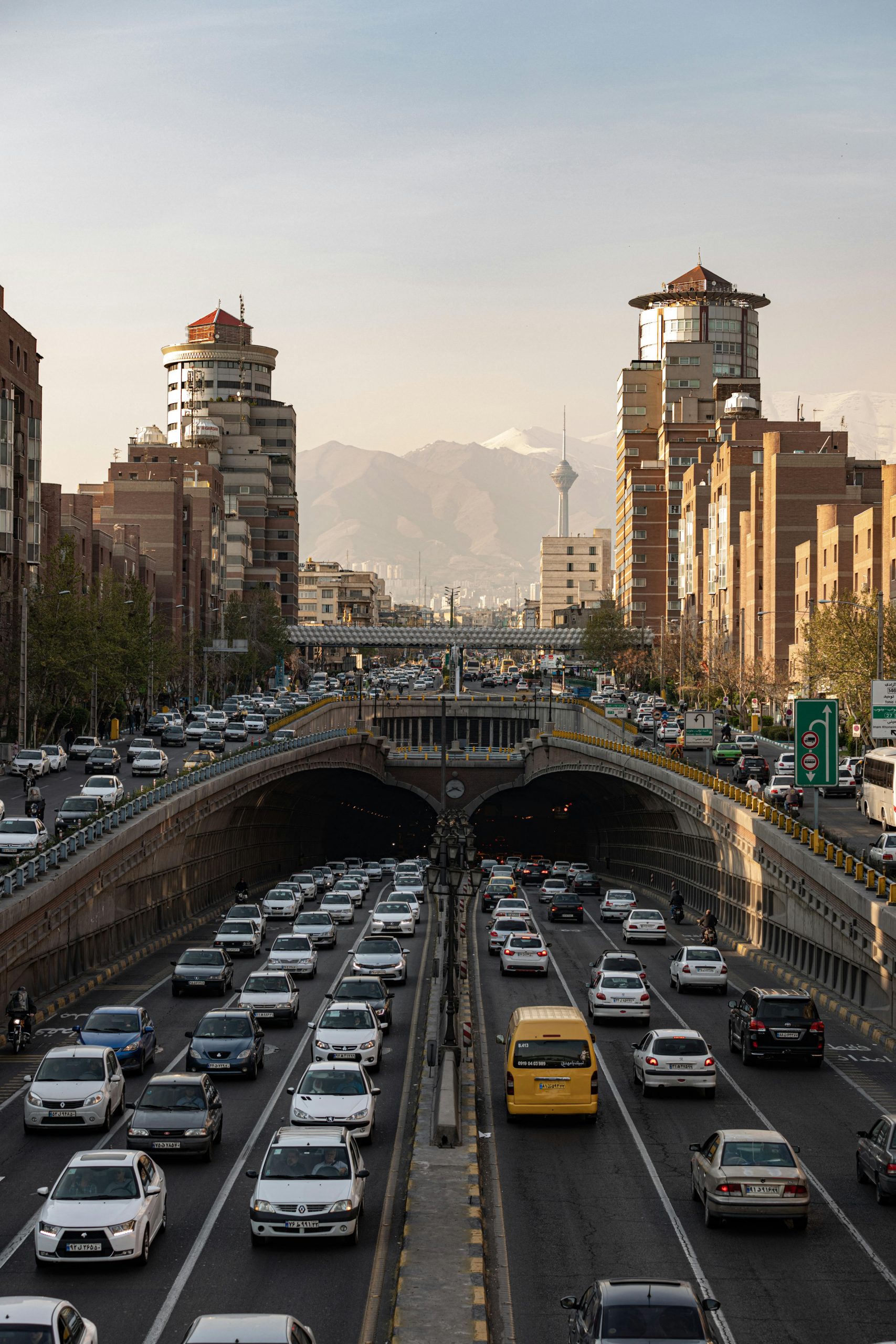
The grid gives cities order: infrastructure, technology, planning, systems that hold millions of lives together.
The garden gives cities life: relationship, learning, patience, growth that happens over time.
We design technology where these meet. Creating tools that tend and care for human life in complex places.
A different posture toward the city
Gardens aren’t managed.
They’re tended.
Growth can’t be forced
only cared for.
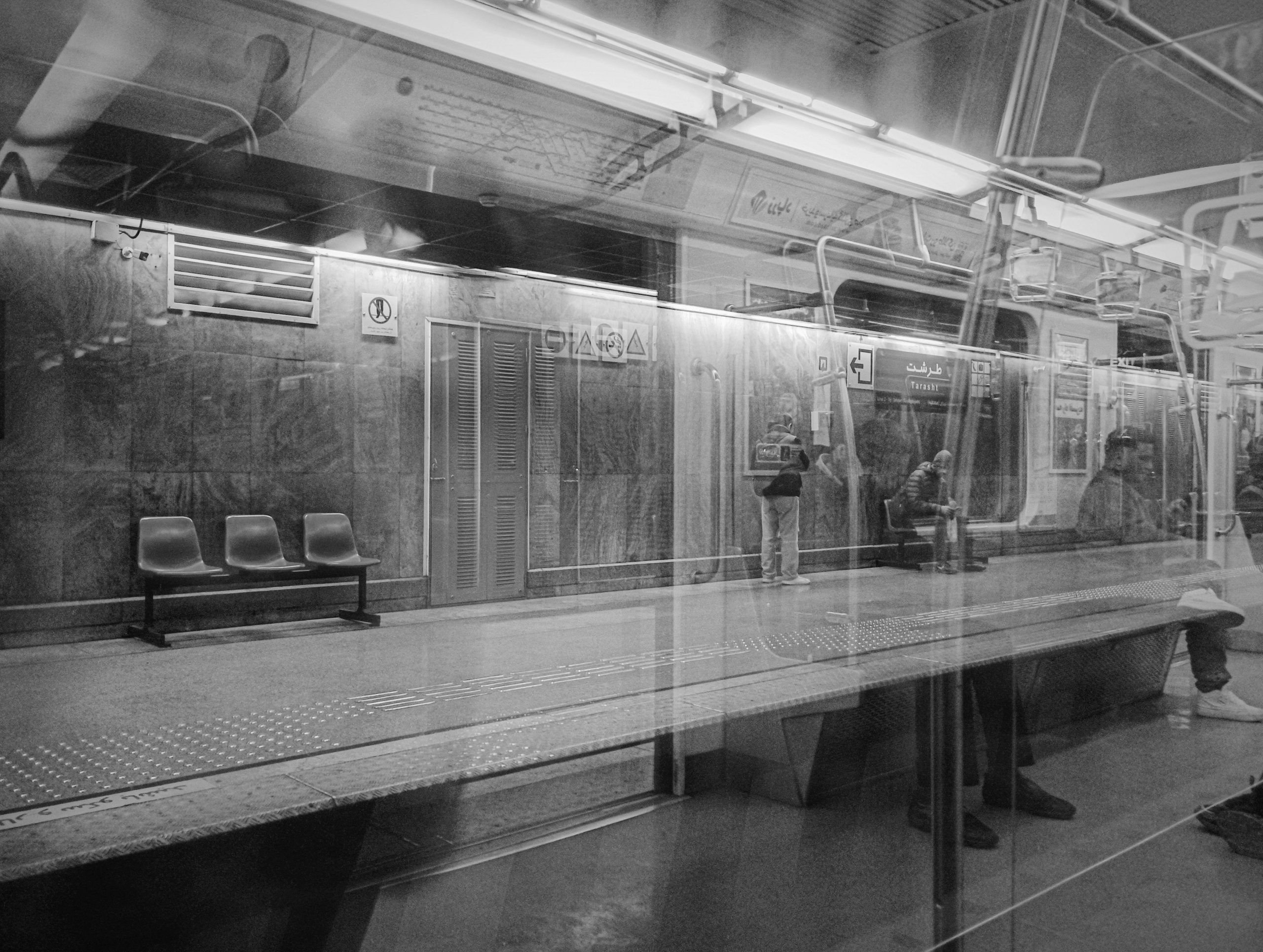
Our work begins at street level:
- walking instead of rushing
- listening instead of extracting
- learning instead of assuming
We design technology that supports these practices—
tools that favor presence over scale
and participation over control.

What we build
Grid and Garden creates digital tools that support:
- attentive presence in neighborhoods
- learning across languages and cultures
- long-term commitment to place
- slow, relational forms of change
Our projects are designed to be used in the city, not instead of it.
They are meant to fade into daily rhythms—
walking, listening, learning—
so that the focus stays where it belongs.
A quieter kind of technology
We are not interested in growth for its own sake.
We are interested in depth.
Technology should help people belong more fully,
care more honestly,
and stay rooted in places that are often overwhelming.
Grid and Garden builds for those who stay long enough to learn the soil.

Why we build this way
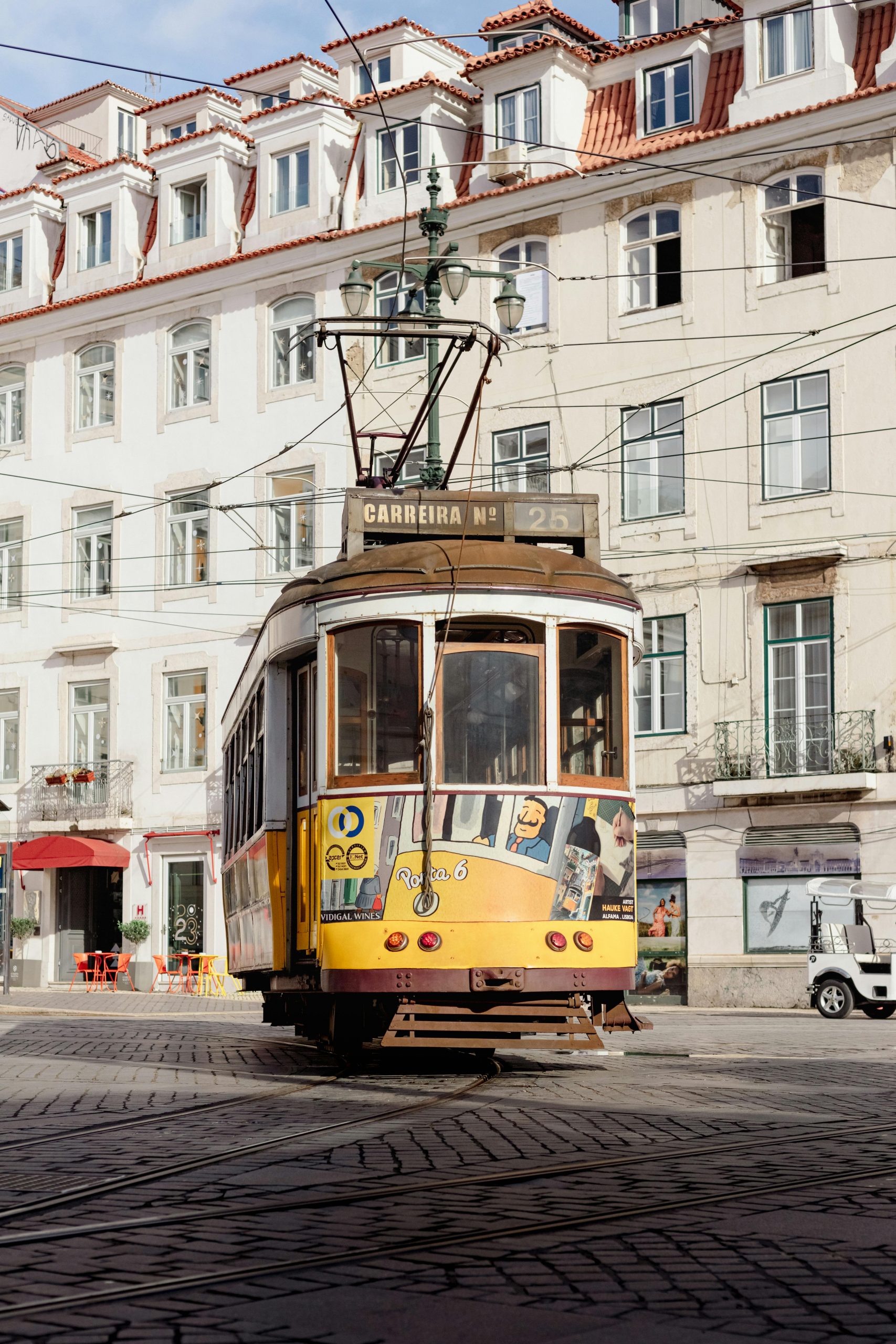
Cities have always been shaped by power.
But they are held together by people who remain present within them.
If you’d like to understand the convictions behind this work
and why we believe tending matters more than control.